Ensure AI knows your business and can cite it as a source
Monthly ongoing work on what ChatGPT, Perplexity, Gemini, and Google tell your clients. First, I consolidate your business into a single entity recognizable by machines, then steadily build up referenceable substance each month, measuring progress using the exact same protocol.
Why machines aren't naming you
The model doesn't 'dislike' your business. It simply cannot assemble it into a single recognizable entity.
Look at how you appear from the outside: your company website, a separate landing page for one service, an old domain that still resolves, a Facebook page where the name is spelled slightly differently, a directory listing from three years ago with a previous address, and a review profile using a different transliteration.
To a human, this is obviously one company. To an AI, these are six loosely connected fragments, each with conflicting facts, and none carrying enough entity weight to be cited with confidence. As a result, the model cites your competitor, who has one clear name, one description, and consistent facts across all touchpoints.
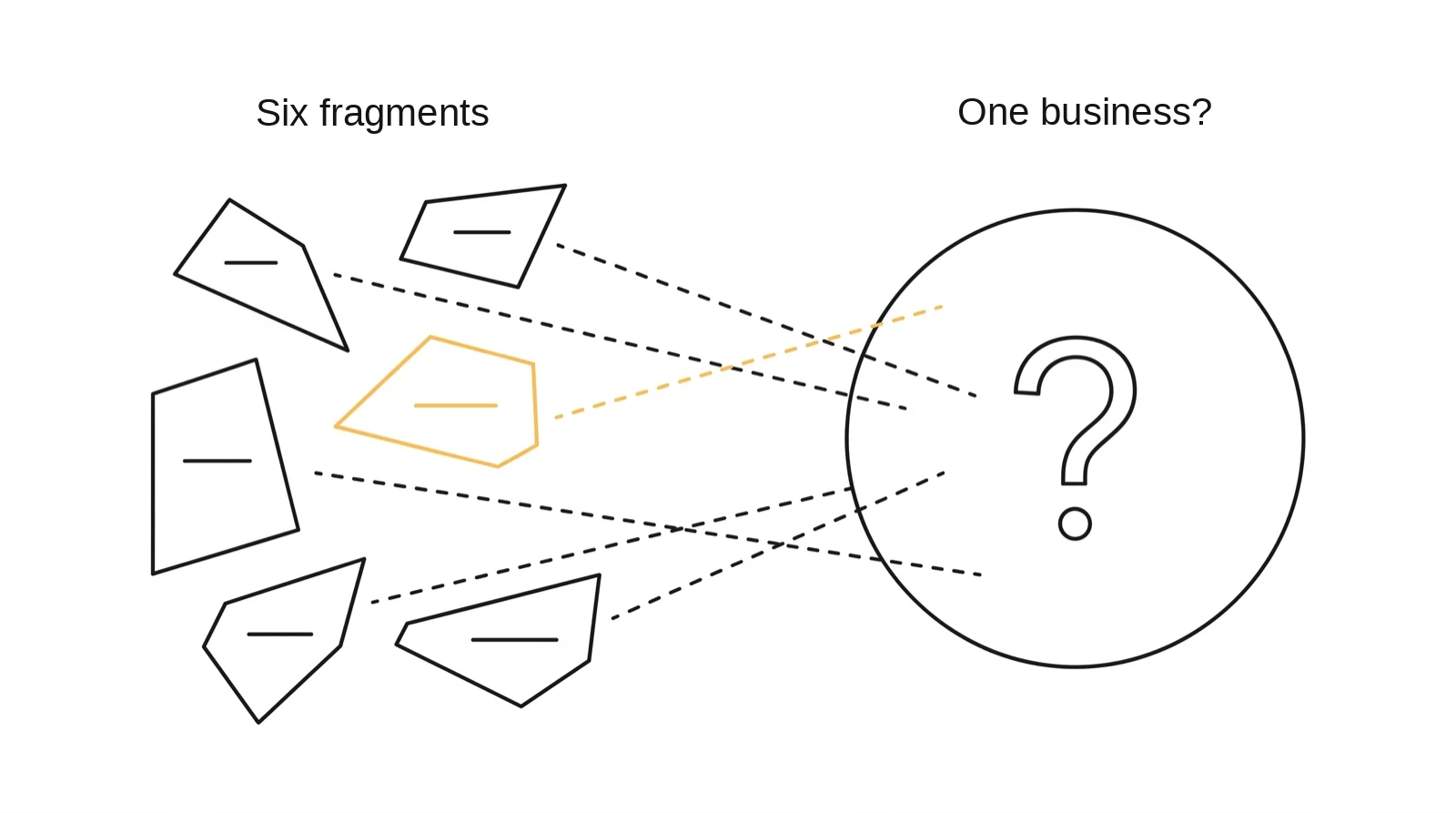
This isn't a matter of content volume. The issue is that your content is scattered across disparate entities.
Why articles won't help until this is fixed
Most people approach AI visibility backwards: they immediately start writing. Schema markup, an FAQ block, and ten keyword-stuffed blog posts.
The problem is where that content actually attaches.
If the model does not know what central entity stands behind your brand name, each new article adds authority not to you, but to one of your disconnected fragments — or to nobody at all. You spend money on content production without increasing entity recognition, because there is no unified entity to recognize.
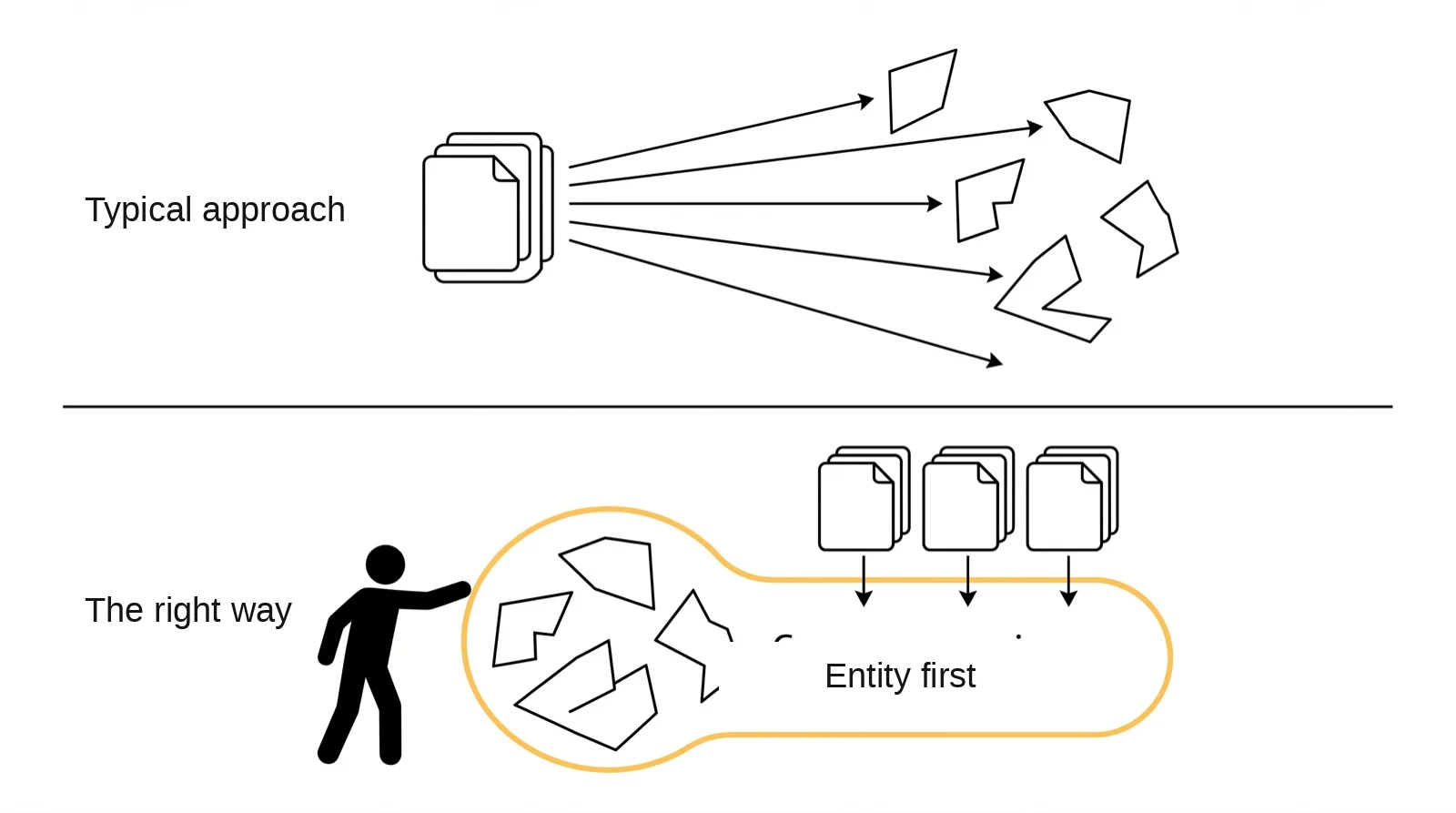
That is why our process reverses the usual order. First, one consistent name, one canonical description, and one verified set of facts everywhere you exist online. Only then do we build authoritative content on top of that entity.
This is the fundamental difference in methodology — not that I simply write better articles.
Month 1: Consolidating your entity
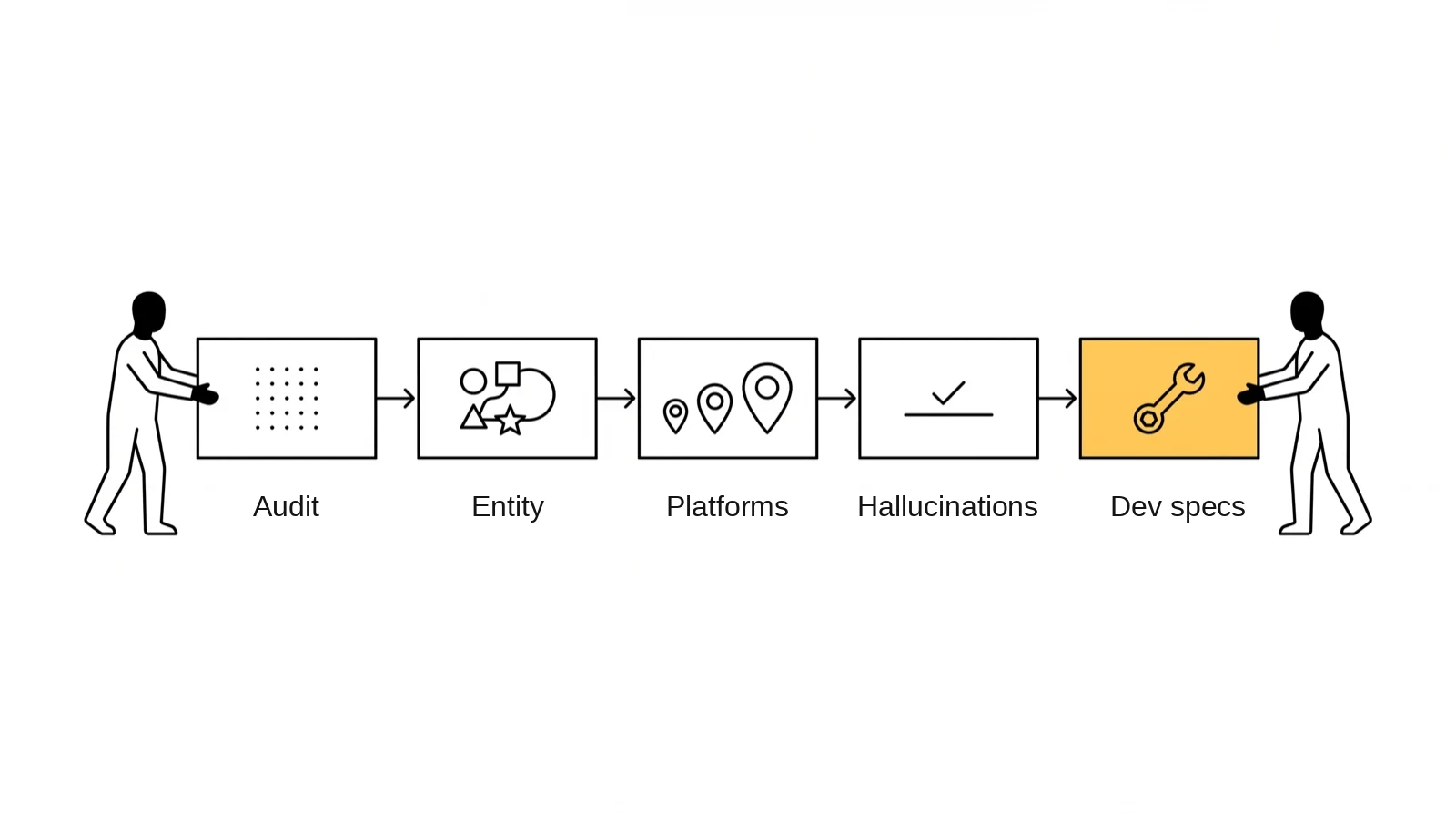
Baseline measurement.
The exact same protocol as the standalone audit: 8–12 queries in your customers' words across ChatGPT, Perplexity, Gemini, and Google AI Overviews, in incognito mode, multiple waves, plus meta-questions to the systems about why they recommended competitors instead of you. If you already had an audit, it is not repeated: your Point 0 serves as the baseline.
Canonical description and bios.
I assemble the core: who you are, what you do, for whom, where, and a verified fact that can be substantiated. From this core, I craft ready-to-use bios for every platform and the wireframe for your 'About' page. These exact formulations are then applied across all your touchpoints so consistency is uniform everywhere.
Platform map.
A tailored roster for your niche, country, and language. Two layers: universal directories that index strongly and often feed entity facts to AI, and niche-specific platforms discovered by tracking the digital footprints of competitors whom AI already names. The list is prioritized so you know exactly where to start.
Hallucination correction plan.
For every error revealed during evaluation, I determine a verifiable fact and where to publish it. AI models do not correct themselves from complaint tickets. They infer conclusions from accessible data, so a hallucination is displaced by a stronger, widely published fact, not an argument.
Developer technical specification.
A turn-key task for your engineer: open the site to AI crawlers, clean up the sitemap, verify key page indexation, connect Bing Webmaster Tools, and submit the sitemap there. I prepare the specification, your developer executes it, and I inspect the result.
What happens every month
| Deliverable | Scope |
|---|---|
| Three standard articles | Each focused on a specific query where you are currently invisible. A short 10-minute interview with you, which can be done by voice. The text is built from your raw facts and structured so machines can pull a direct answer from it |
| One in-depth article every two months | A comprehensive piece covering an entire cluster of queries: longer interview, fresh data and external citations, tables or calculations, several modular blocks |
| Three to five platform profiles | Handled actively in early months, as needed thereafter. Using the exact same bio from the canonical description everywhere |
| Hallucination corrections | Addressed as new inaccuracies arise in subsequent evaluations |
| Video subtitles | If you run a YouTube channel. Auto-generated captions are cleaned into accurate transcripts and translated where appropriate with identical timestamps. Machines read transcripts, and automatic recognition often garbles key terms |
| Repeat evaluation | Once a month, using the identical list of queries and testing sequence as the kickoff baseline |
| Monthly report | What was delivered, what the evaluation revealed, and what we tackle next month |
Three standard articles
Each focused on a specific query where you are currently invisible. A short 10-minute interview with you, which can be done by voice. The text is built from your raw facts and structured so machines can pull a direct answer from it
One in-depth article every two months
A comprehensive piece covering an entire cluster of queries: longer interview, fresh data and external citations, tables or calculations, several modular blocks
Three to five platform profiles
Handled actively in early months, as needed thereafter. Using the exact same bio from the canonical description everywhere
Hallucination corrections
Addressed as new inaccuracies arise in subsequent evaluations
Video subtitles
If you run a YouTube channel. Auto-generated captions are cleaned into accurate transcripts and translated where appropriate with identical timestamps. Machines read transcripts, and automatic recognition often garbles key terms
Repeat evaluation
Once a month, using the identical list of queries and testing sequence as the kickoff baseline
Monthly report
What was delivered, what the evaluation revealed, and what we tackle next month
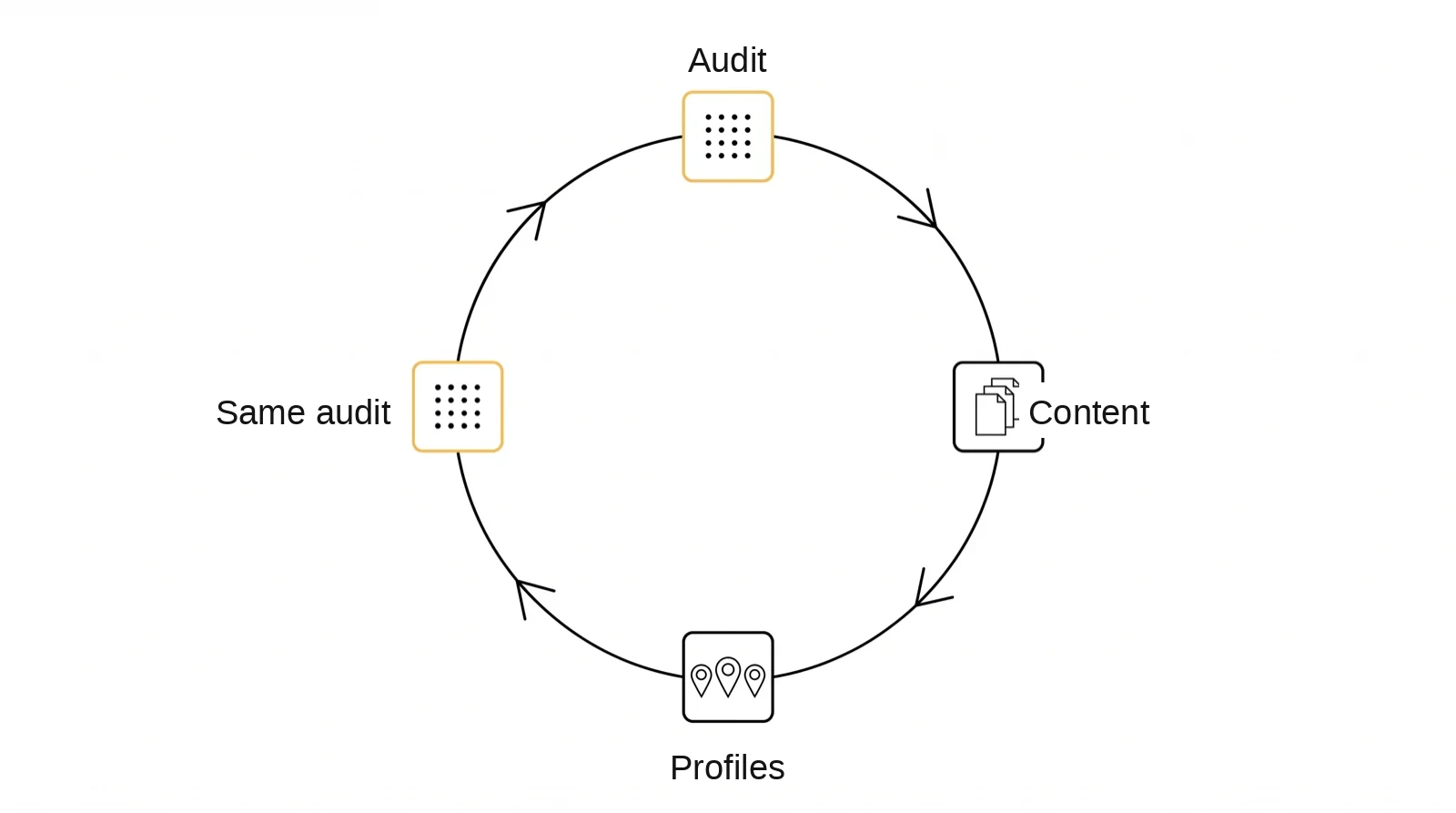
Once a quarter
Original research. We identify an industry question that no competitor has backed up with figures. Gathering data takes you about one evening, then I analyze it, conduct a short interview with you regarding the insights, and publish a complete 'Data: Topic in Numbers' page featuring charts and methodology. Every claim is presented with exact figures, sample sizes, and context. Because this data is unique, other sources must cite you directly — it cannot be repurposed without your name.
Proprietary category. If your service features a genuine differentiator, we coin a distinct name for it and establish a methodology where you are the sole player. We first analyze what you genuinely do differently, verify name availability, and design a launch outline. If there is no real difference, I will tell you frankly: I do not fabricate categories out of thin air.
What your monthly report looks like
This reflects the document's structure. Figures are omitted intentionally: I never publish synthetic data or display someone else's metrics as my own.
REPORT FOR [Month]

1. REPEAT EVALUATION
   Query | System | Before | After | Commentary
   The exact same list of queries as at kickoff

2. ENTITY UPDATES
   Platforms where description & bio were updated
   Corrected hallucinations: what was stated → verified fact published → where

3. CONTENT PRODUCED
   Articles: topic → where published
   New profiles: list
   Subtitles: video

4. NEXT MONTH PLAN
   Three action items, each tied to a query where you are still absent
The cornerstone of this report is section one. The evaluation is conducted using the exact same list of queries and method as the previous month, allowing periods to be compared with complete integrity. Changing metrics every month renders any dynamic meaningless.
How this differs from the conventional approach
| Aspect | Conventional Approach | My Approach |
|---|---|---|
| Starting point | Schema markup, an FAQ block, and a bundle of keyword-stuffed articles | First a single name, single description, and matching bios everywhere. Content follows |
| Multiple domains and names | Not seen as an issue | This is the primary diagnosis. As long as your business is fragmented into pieces, content work runs idle |
| Evaluation | 'Let's check if ChatGPT mentions you' — often just a couple of prompts in one app | A dozen queries across four systems, multiple waves, tracking hallucinations separately |
| Why competitors lead | Never investigated | I ask the system directly why it chose them and what must change. The response becomes the monthly action plan |
| AI hallucinations about your business | Never measured at all | Recorded in the baseline evaluation and systematically displaced by publishing verified facts |
| Content production | Articles written for search engines, often with zero business owner input | Every piece is synthesized from your raw facts through interviews. Material unique to you cannot be genericized |
| Reporting | Trend charts lacking a reproducible measurement standard | The same protocol every month, making figures legitimately comparable over time |
| Promises | 'Guaranteed results' or 'Guaranteed placement in AI answers' | I guarantee a defined volume of meticulous work and an honest, repeatable measurement |
Starting point
Schema markup, an FAQ block, and a bundle of keyword-stuffed articles
First a single name, single description, and matching bios everywhere. Content follows
Multiple domains and names
Not seen as an issue
This is the primary diagnosis. As long as your business is fragmented into pieces, content work runs idle
Evaluation
'Let's check if ChatGPT mentions you' — often just a couple of prompts in one app
A dozen queries across four systems, multiple waves, tracking hallucinations separately
Why competitors lead
Never investigated
I ask the system directly why it chose them and what must change. The response becomes the monthly action plan
AI hallucinations about your business
Never measured at all
Recorded in the baseline evaluation and systematically displaced by publishing verified facts
Content production
Articles written for search engines, often with zero business owner input
Every piece is synthesized from your raw facts through interviews. Material unique to you cannot be genericized
Reporting
Trend charts lacking a reproducible measurement standard
The same protocol every month, making figures legitimately comparable over time
Promises
'Guaranteed results' or 'Guaranteed placement in AI answers'
I guarantee a defined volume of meticulous work and an honest, repeatable measurement
The distinction is not about displaying metrics — many agencies show transparent dashboards today.
The difference is the sequencing of work, and the fact that the measurement standard remains identical month over month.
How much it costs
€720 / month
A single rate for the complete scope outlined above. No tiered packages, no surprise add-ons.
Monthly prepayment. No lock-in contract. You can cancel any month without penalty or exit fees.
If you first took the €129 audit, that fee is credited toward your first month. In that case, month one is €591, and €720 thereafter.
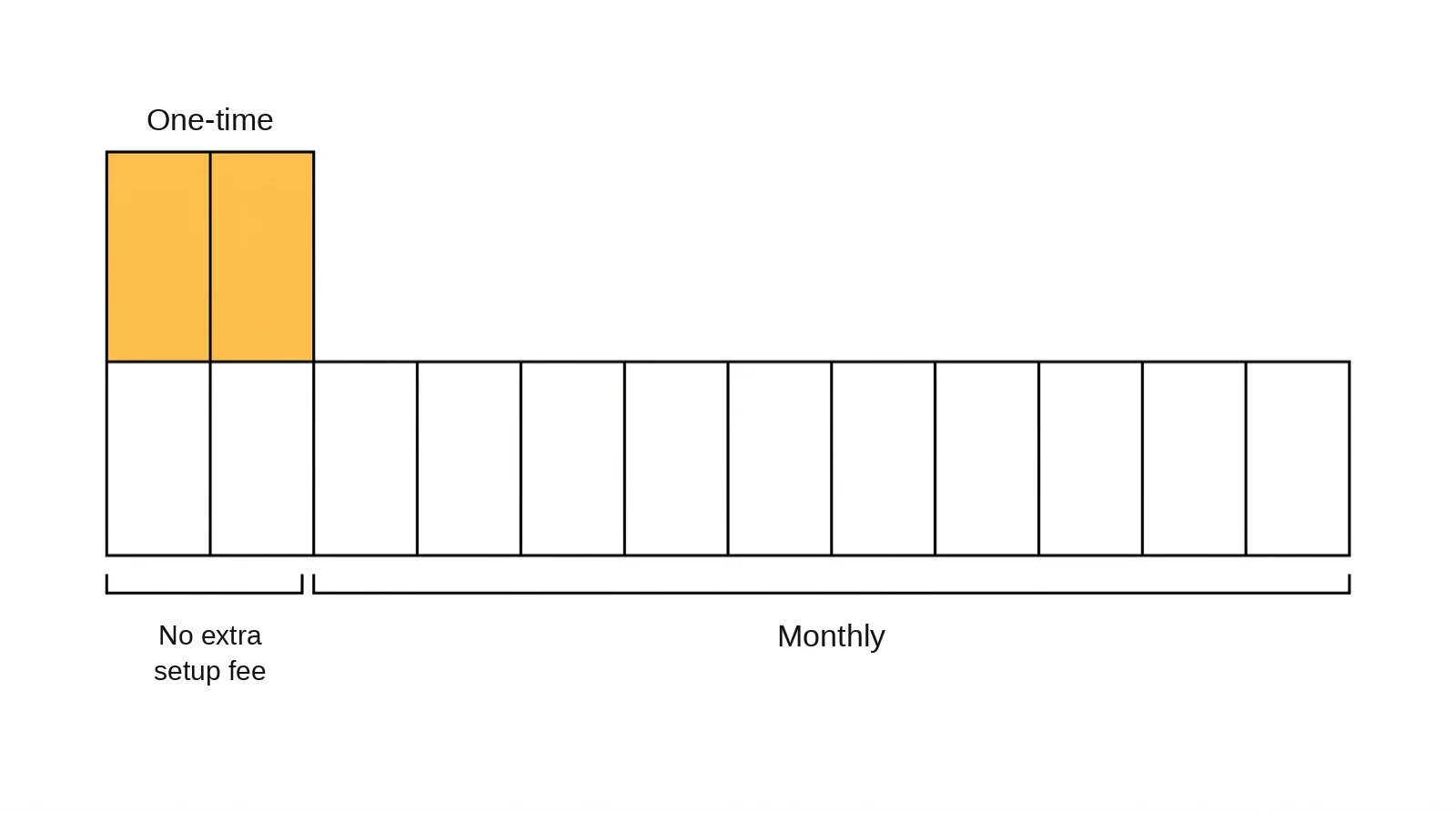
There is no separate setup fee. The extensive kickoff work (baseline measurement, canonical description, platform mapping, hallucination correction plan, developer specifications) is bundled into the regular monthly rate.
Why not cheaper?
I am aware that cheaper services exist in the market. Here is why this rate is structured as it is:
The first month is a complete cycle, not an arbitrary setup charge. The kickoff audit, canonical bio, platform blueprint, and developer specs are included in the standard price. Thereafter, €720 covers ongoing content generation, regular evaluations, and corrections.
Every piece of content is anchored to a specific query where you are currently missing. This isn't generic filler blogging. The report shows which query was targeted, what was published, where it lives, and how AI responses evolved.
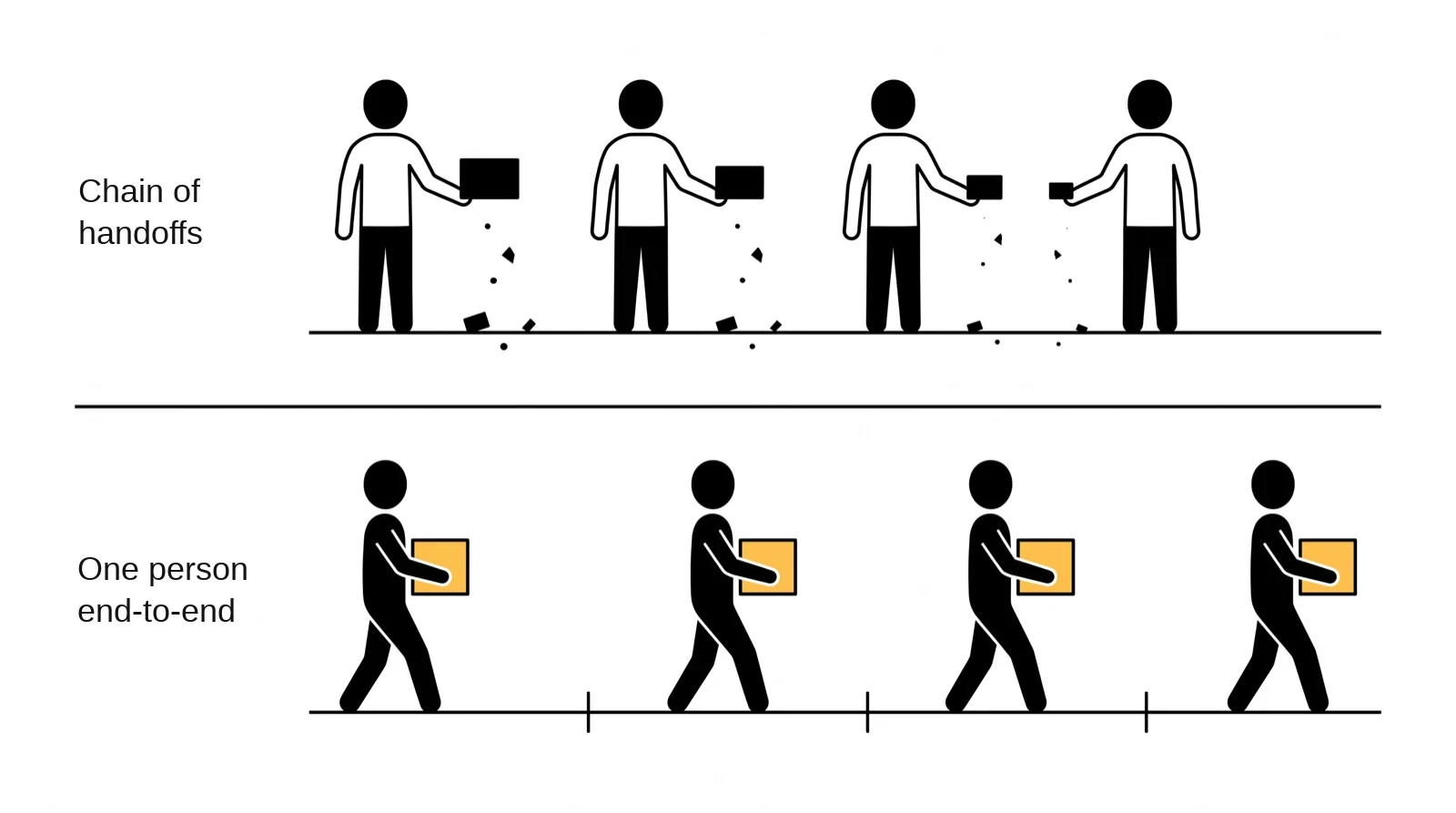
You work end-to-end with one dedicated architect. Evaluation, strategy, content authoring, quality control, and re-testing are handled without handing tasks down an agency chain. Context is never lost in translation.
You are never locked in. Pricing is not predicated on annual contracts. If you feel it's not working after three months, you can walk away anytime.
What I will not claim: that €720 will pay off faster than a cheaper alternative. I have no factual basis for such claims and will not manufacture them.
What is not included in this price
Website development or redesign. I write the technical specifications; your developer executes them.
Budgets for paid placements. If a directory or platform requires a fee, you decide independently and pay directly. I never hide placement costs inside my rate.
Google Ads and traditional SEO. Separate services. GEO builds on top of them rather than replacing them: advertising brings traffic to the site, while GEO addresses users who get answers inside AI search without visiting.
Video production. I work with existing video assets: cleaning and translating subtitles.
Research data collection. You gather the raw internal data, usually requiring about one evening. I design the survey, analyze the numbers, and write the report.
Review management. A distinct, standalone product.
A second brand. The price covers a single business entity. If you own two separate brands, they require two separate workflows.
What I do not promise
I do not promise guaranteed mentions or ranking positions in AI answers. No system gives third parties control over its generative output. The same model answers the same prompt differently even on consecutive days. Anyone promising a guarantee here is promising someone else's decision.
I do not promise a specific volume of leads, inquiries, or traffic. How much commercial demand stems from visibility depends on your market, not the volume of my work.
I do not state an arbitrary timeline for when results will appear. I guarantee the delivered scope and honest monthly evaluations. How quickly AI indexers reflect changes is outside my control.
I do not promise that models will 'remember' you. That is not how LLMs operate, and I will not use misleading metaphors for marketing hype.
I do not promise results from an isolated technical file. Neither `llms.txt` nor any single config file achieves visibility on its own.
I do not display fabricated outcome metrics, because I do not yet have them. This is a new discipline, and I don't replace missing case studies with false claims. You won't see growth percentages or 'before and after' charts here, neither mine nor someone else's rebranded as mine. Instead, you see a predefined scope of work, an established starting point, and a consistent measurement method. When proprietary data is ready, I will publish it along with its exact methodology.
Business Owner Questions
How much of my time does this require?
About thirty minutes a month for interviews for standard articles, and the same amount in the month of an in-depth article. Plus one evening once a quarter if we conduct original research. I do all the rest.
Audit or ongoing retainer — which should I choose?
The audit diagnoses the problem: it shows what AI says about you today, whom it recommends instead, what it hallucinates, and establishes three priorities. It does not alter anything.
The retainer executes those priorities: unites your business into a single cohesive entity, produces materials for queries where you are absent, corrects hallucinations, and re-evaluates monthly using the exact same protocol.
If you don't yet know whether this is your bottleneck, start with the audit. If you already know your brand is fragmented across multiple domains and names, begin with the retainer.
Can I start with an audit and decide later?
Yes, and that is a very standard path. You take the audit for €129, get the report, and see the real picture. If you decide to continue, the €129 is credited toward your first month of ongoing retainer.
How long before I see results?
I won't give an arbitrary timeline because I have no factual basis for one. What I can state definitely: the first repeat evaluation happens in one month, and it will be directly comparable to the baseline because it is conducted identically. Moving forward, you see the same comparative table each month and decide for yourself.
I have six domains and several brand names. Is that a problem?
This is the most common reason AI fails to name a business, and exactly what the first month of work addresses. Having multiple domains isn't the issue: the problem is having conflicting descriptions of the same business across them.
Do I have to write the articles myself?
No. You provide the raw substance in a short interview, often recorded by voice. I write the text. However, without your real-world facts, the content would look generic and lose all value.
Do I need to pause traditional SEO or ads?
No, they serve different purposes. Advertising and search drive people to your website. GEO works with those who get their answers directly within AI search before ever reaching a website.
Can I pay in local currency?
Yes. The price is set in Euros, and payment in your currency is calculated at your bank's or payment processor's exchange rate on the day of payment.
What if I decide to cancel after two months?
You can cancel anytime. There is no minimum contract term. The business passport, monthly reports, and all published assets remain 100% yours.
Let's see where to start with your business
Send a brief message about your business, and I will let you know what we are likely to find and whether your bottleneck is truly entity consolidation.
After submitting, you will be redirected to the next step page.