Websites for Ads

A website for ad traffic with one single job: a lead or a purchase

Pages built for paid traffic: Google Ads, Meta Ads, TikTok Ads, Microsoft Ads. For each service or product — a dedicated page where visitors submit an inquiry or pay.

I build pages backward from the conversion action: first decide what the visitor must do, then remove everything that distracts them from doing it.

What this format is

One service or product — one page built specifically for the ads pointing to it. If you have several directions, each gets its own page with its own hero screen, pricing terms, and form. Visitors land precisely where their specific search is answered, and everything needed to make a decision appears before the call-to-action button, not after a phone call.

Ads are running, but conversions are missing

An ad brings a visitor, they see an attractive page — and have no idea what to do next: pricing depends on volume, terms are hidden in a chat, and the form simply asks for a callback. The click was paid for, but no decision was made.

Another common situation — all campaigns lead to a single generic homepage. A person searched for a specific service, landed on a corporate overview, and left to search elsewhere. The click budget was spent just the same.

What your business gets

A working instrument that can be measured, analyzed, and improved.

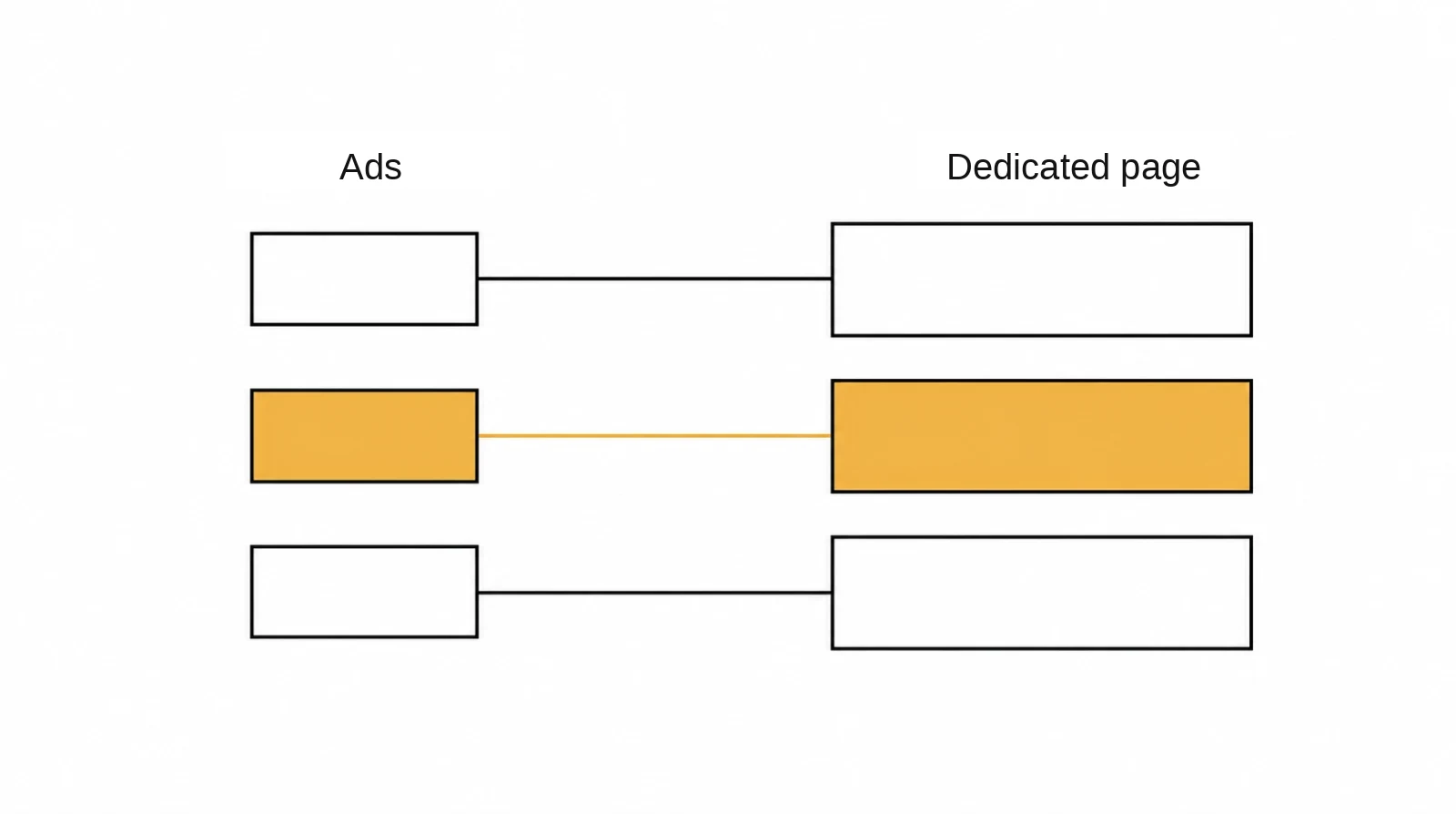
Three advertisements leading to separate dedicated pages

Dedicated page per business line

One service or product — one dedicated page matching its ads. Paid traffic never mixes different intents in a single flow.
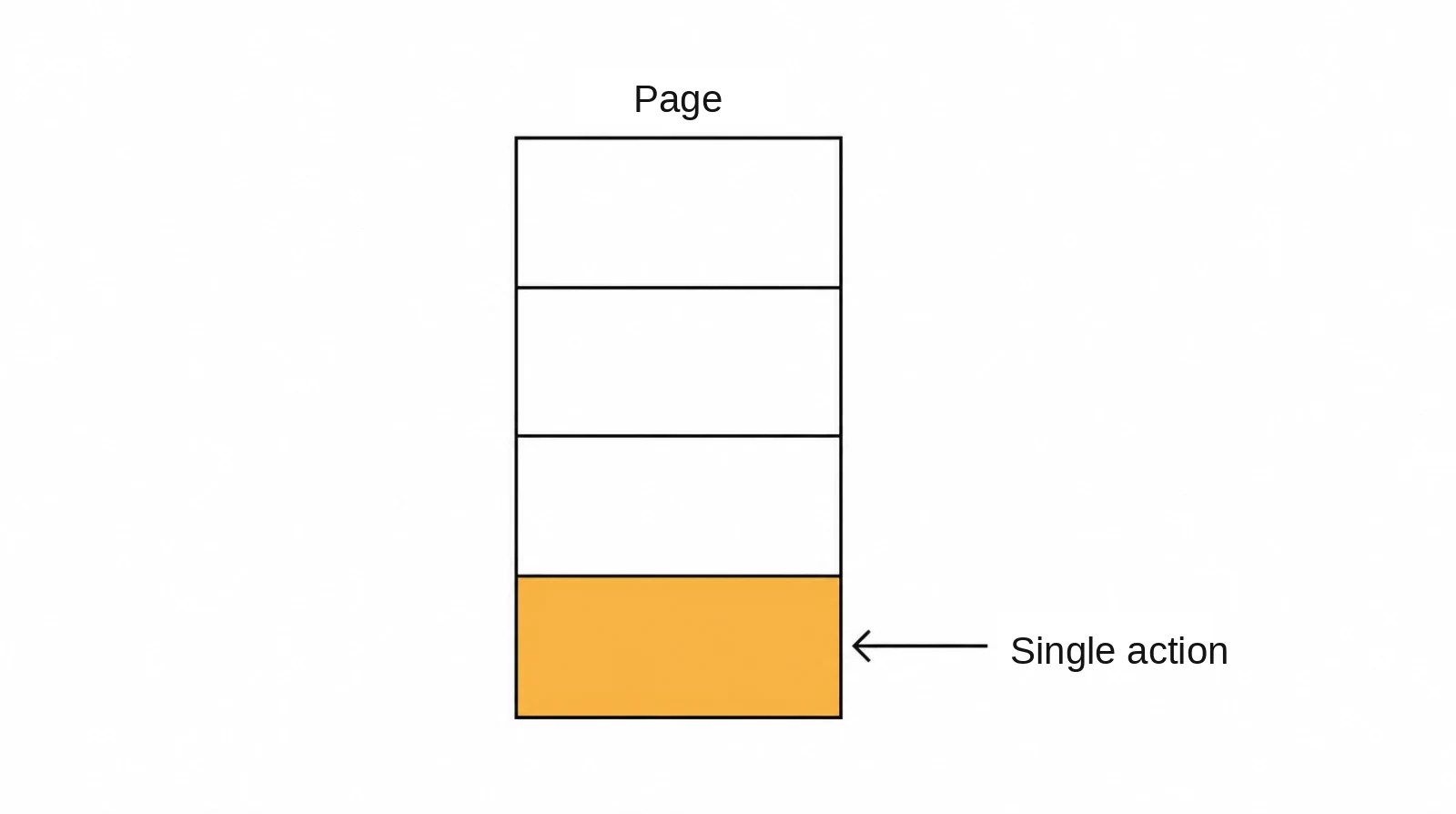
Four-block page structure ending with a single conversion button

Single action on the page

An inquiry or a payment. Everything else is removed to prevent distraction.
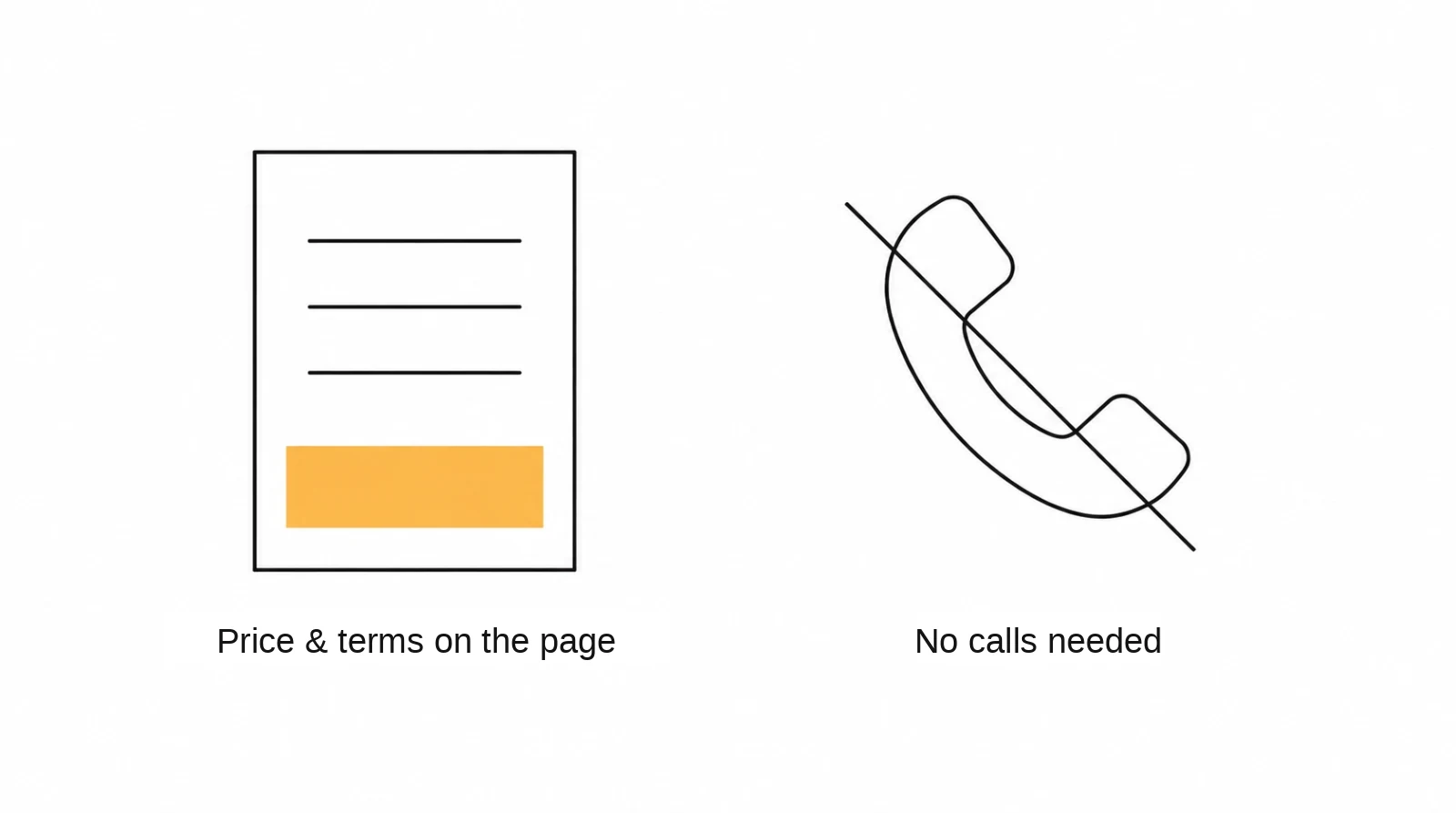
Price and terms clearly visible on page without calling

Transparent terms and pricing on-page

Rates, extra options, delivery, and timelines are clear before the button. Visitors don't need to call just to find out what it costs.
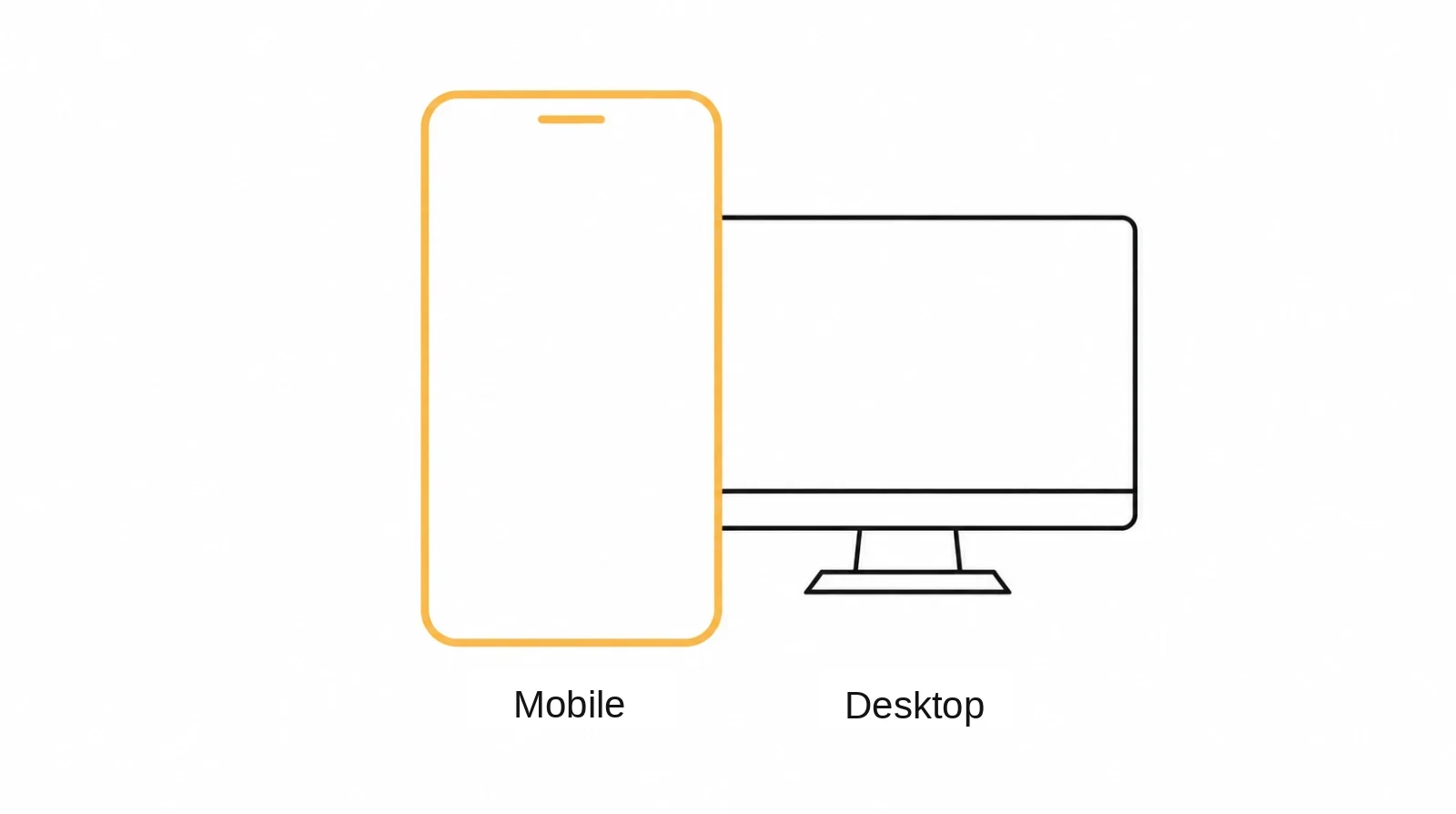
Mobile screen in front with desktop view behind

Mobile-first experience

Most ad traffic comes from smartphones. The page is designed mobile-first and loads fast: a slow page burns paid clicks before the first screen even renders.
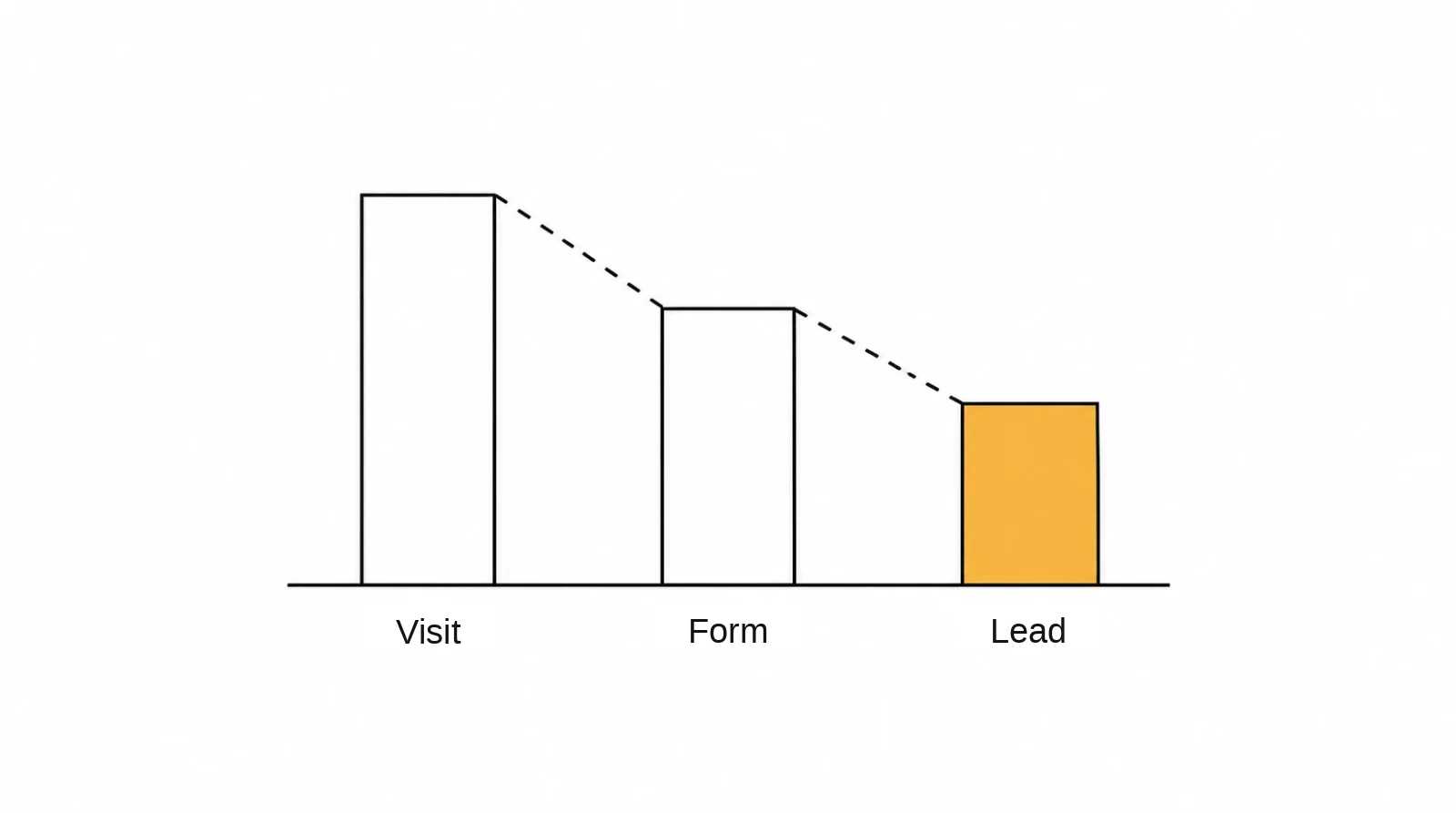
Three funnel stages: visit, form view, lead submit

Key action analytics

Track how many people reach the form and submit it, not just raw page visits.
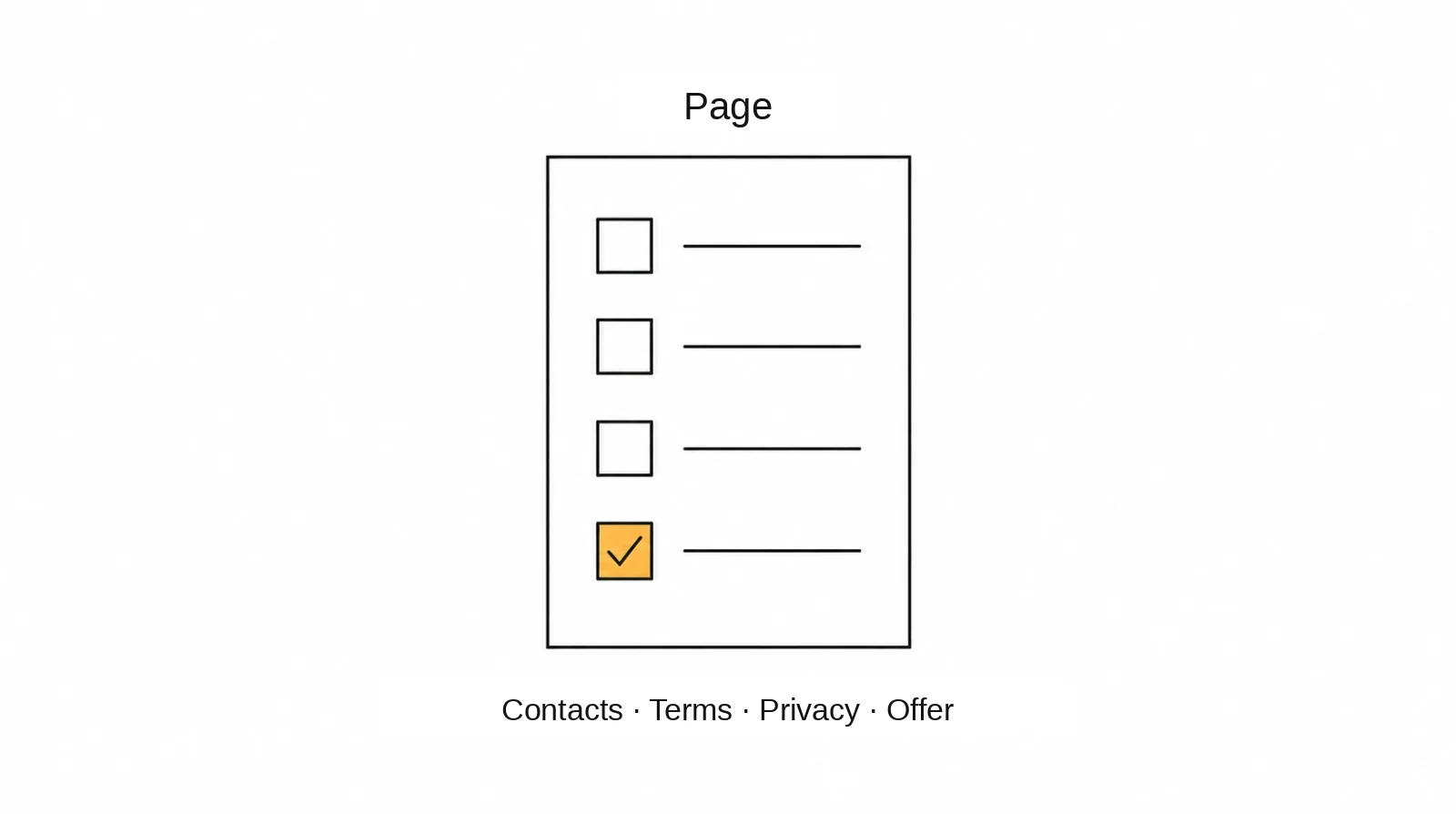
Page checklist: contacts, terms, privacy policy, public offer

Ready for ad moderation

Privacy policy, public terms, clear contacts, and compliant conditions — so ads are not rejected because of the landing page.

From brief to live traffic

  1. 1

    Brief and service list

    We inventory the products or services you advertise and decide how many pages are required and what visitors must do on each.

  2. 2

    Structure and copy

    I assemble the page in blocks: hero, terms, proof, and form. Every section answers a question that would otherwise require a phone call.

  3. 3

    Development and mobile testing

    Responsive layout, forms, performance optimization, and testing on real devices.

  4. 4

    Analytics and launch

    We set up conversion goals and lead notifications, making the page ready to receive live campaigns.

Cost of entering this format

A page for ads is not a shop window — it is the checkout counter. People look at windows; they pay at the counter. The cost difference between them is like the difference between a photo of a storefront and a functional payment terminal.

Leads arrive the same day someone views your ad, rather than waiting for a callback the next morning.

Terms are stated clearly on the page, so incoming inquiries come from informed, qualified prospects.

Every ad lands on a page matching exactly what was promised, with each conversion visible in your analytics.

Pricing depends on how many pages are needed and the scope of work within each.

from €400first ad page; additional pages depend on service count, exact estimate after brief
  • Number of products or services advertised (one page per offer)
  • Number of content blocks and copy depth per page
  • Pricing calculation complexity: fixed, tiered, or customized
  • Online payments, shopping cart, or CRM / messenger integrations
  • Multilingual versions

A website cannot manufacture market demand. If the offer does not fit the market or the campaign attracts the wrong audience, the page cannot fix that.

Is this format right for you?

A good fit if

  • You are already paying for ads and seeing clicks without conversions
  • You advertise multiple services but send all traffic to a single generic page
  • You are launching a new offer and need a dedicated page matching the ads
  • Pricing depends on options, volume, or terms — and managers spend hours explaining it
  • You want to take payments or bookings online rather than in back-and-forth chats

Better to choose another format if

  • You need an image-focused corporate site without a specific conversion goal
  • No paid advertising is planned at all
  • You need a comprehensive catalog with hundreds of products

Questions before we start

It depends on how many different services or products you advertise. One business line — one page. Five lines — five pages, each tailored to its own ads. Technically, this can be a standalone lightweight site or new pages within an existing website.
Because each ad promises something specific. When someone clicks 'refrigerator repair' and lands on a general home appliance page, they have to search again for what they came for, and many bounce at this point. A dedicated page removes friction and sends an unambiguous relevance signal to the ad platform.
A landing page is a layout format. Here, the focus is on purpose: the page is built specifically for targeted ads with a single end goal. It contains only what a visitor from advertising needs — nothing extra. If you need a broader page serving multiple scenarios, that's a classic landing page.
Google Ads, Meta Ads, TikTok Ads, Microsoft Ads. Each page is designed to pass moderation across all of them: clear terms, transparent pricing, contacts, policies, and functional forms.
That is a separate service. You can hand the page to your PPC specialist — it is built ready for traffic from day one.
It depends on the number of pages and scope. A single straightforward page takes a few days once structure and copy are agreed upon. The exact timeframe is confirmed after the brief.
No. Lead volume depends on market demand, your offer, competition, and ad budget. My responsibility is to ensure the page does not lose the visitors who already clicked.
Yes. Integrating a payment gateway, calculating price on the page, and handling order confirmations is a separate scope estimated after the brief.

Tell me where you plan to drive traffic

Tell me about the product you are promoting and who you want to attract. I will outline what the page needs so visitors convert, and provide an accurate cost estimate.